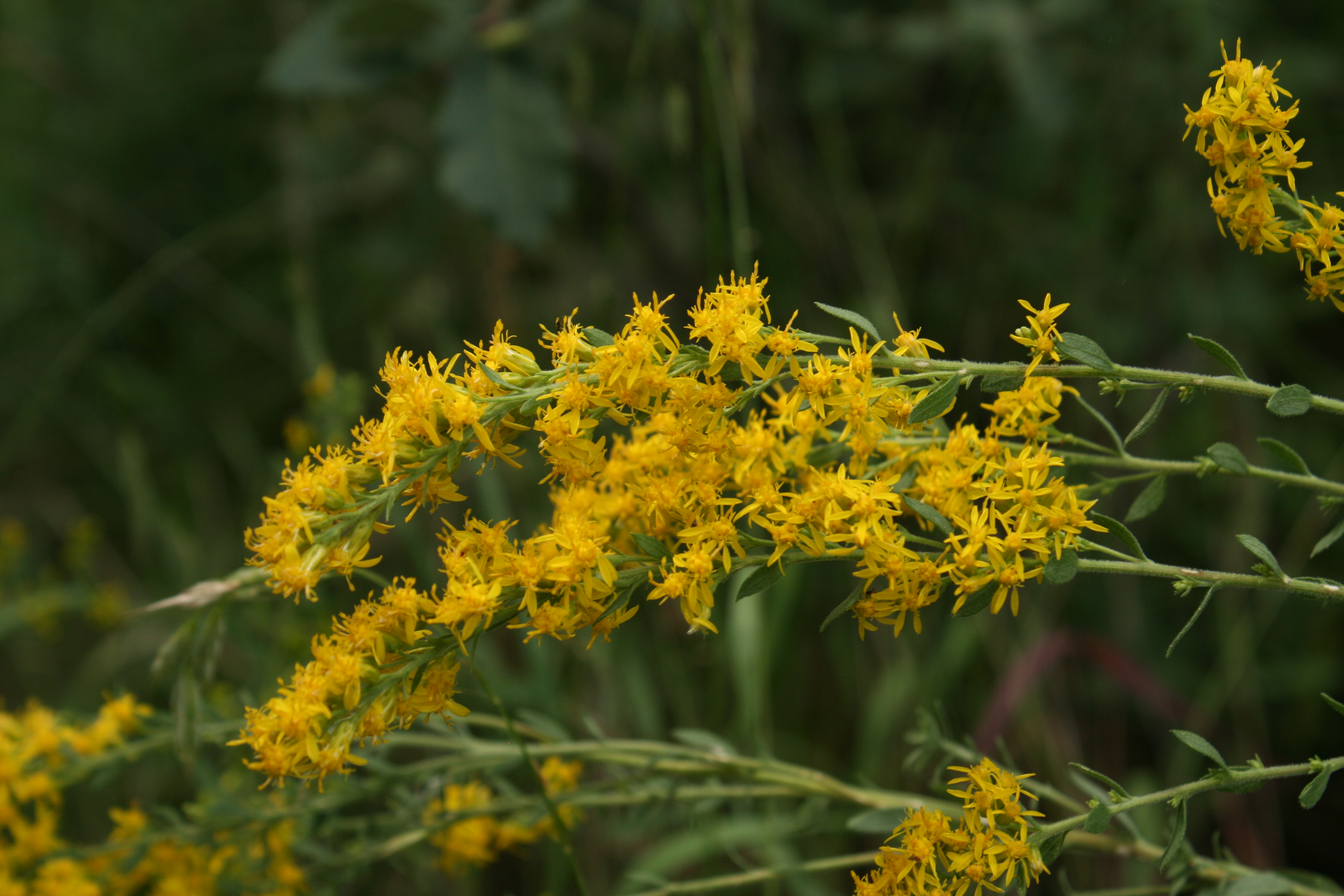
I grew up in Kentucky where the state flower is goldenrod. The particular species that has that honor is Solidago gigantea. I wonder how it was chosen as there are 30 species of goldenrod found in the state. In the vacant lots of my childhood neighborhood tall goldenrods towered over me in glorious bright yellow bloom every fall and I remember that sneezing and watery eyed Kentuckians would blame goldenrod for their terrible allergies. Even nowadays when I mention I grow goldenrod, folks will respond with stories of their terrible goldenrod allergies. I try to explain that Solidago pollen is not wind born, and only spread by pollinators and that their allergies are from other fall bloomers that have wind born pollen. In Kentucky as elsewhere, that would be species of Ambrosia or ragweed. My defense of goldenrod falls on deaf ears and I don’t sell many goldenrod, but I sure do plant them around our place, especially Solidago missouriensis.

There are eleven species of goldenrod found in Arizona and you can find a species somewhere in the state from 2,000’ to 9,500’ in elevation. So no matter where you live in the state you can blame your fall allergies on a Solidago species. Ha!
The photos are mine and taken at our place. You can see that Solidago missouriensis spreads from the roots and becomes quite a clump…a golden flowering clump.

Well, I’m not sure I can add a whole lot more to this true story, but here are a few ringtail facts that are...
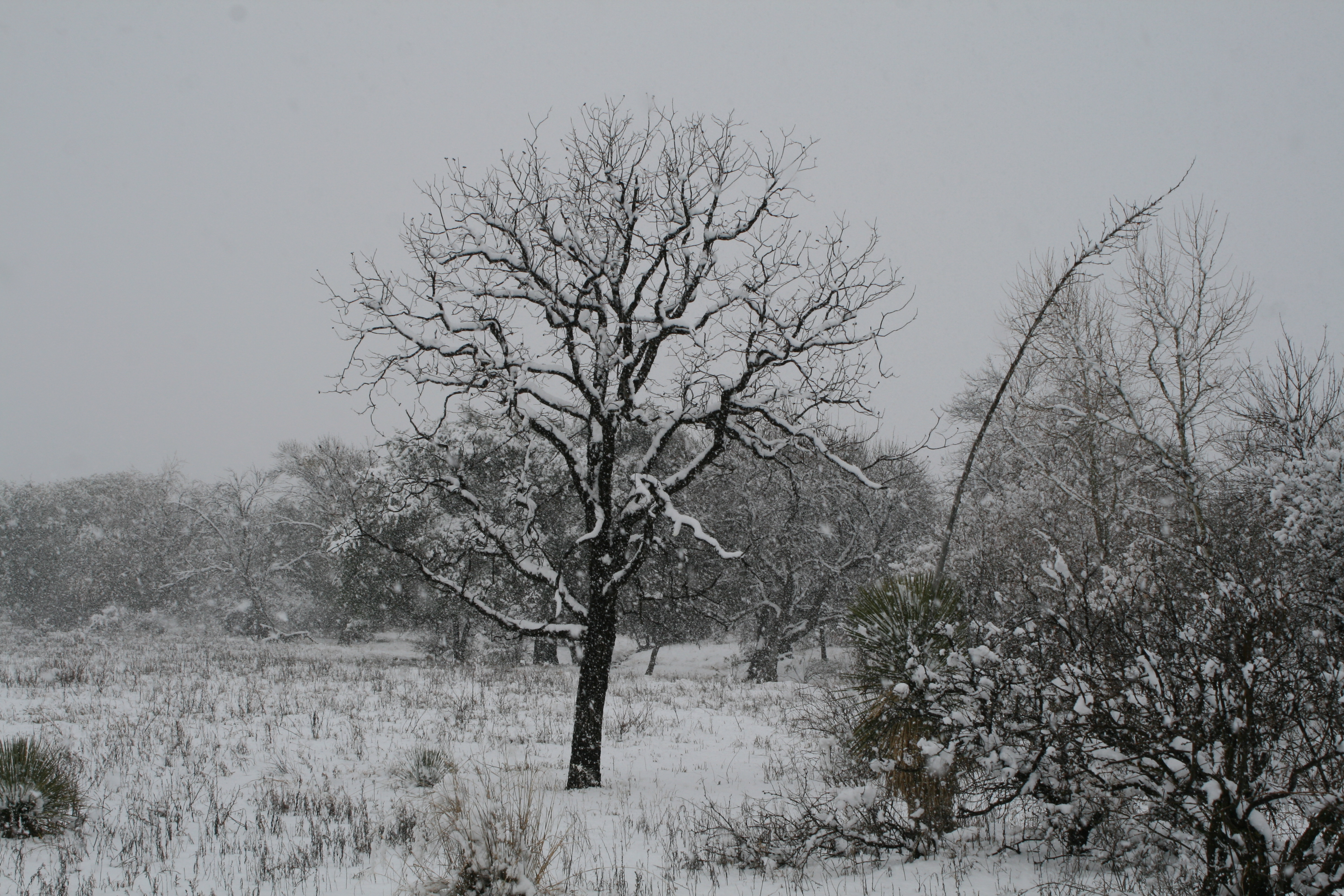
When we got our little homestead over 25 years ago, the woman we purchased it from told us, “Don’t forget to get the pecans...
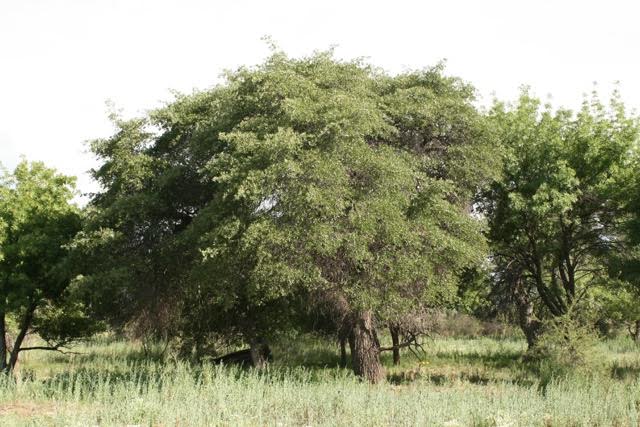
Petey gathers acorns and ponders life found around an Emory oak.