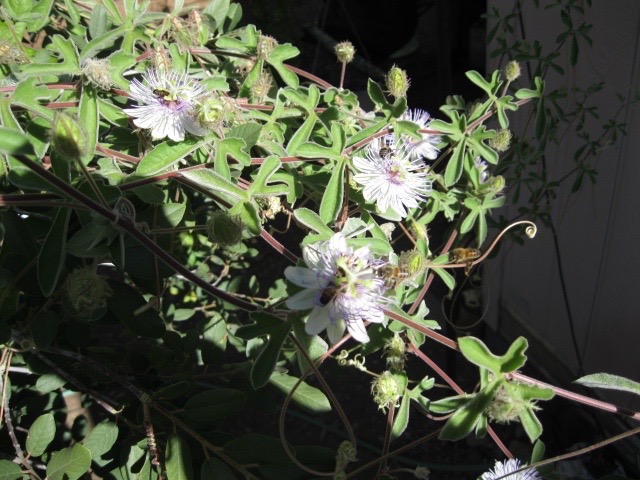
I’m not sure at all how this species of Passiflora ended up in Ms. Mesquitey’s bed of basil. I reuse old nursery soil from dead plants and that soil can end up in a compost heap or simply dumped in garden beds. I haven’t grown Passiflora arizonica in over 20 years, but seed can surprise you with how long it can be viable. Regardless of how it arrived though, what a wonderful volunteer!
When I first grew this passionflower vine its botanical name was Passiflora foetida, then it was P. foetida var. arizonica and now P. arizonica. The foetida in the earlier names refers to the smelly foliage of this species. And as I mentioned in this episode I got the seed for this passionflower vine out in the Coyote Mountains west of Tucson. I need to go back to those hills. They are magical.

There are three species of passionflower vines found in southern Arizona and all three are grown and sold in local native plant nurseries. Support your local native plant nurseries please, not to mention your local fritillary butterflies whose caterpillars will chew on your vines…thought I’d warn you. Hey, it’s a good thing. And in honor of Ms Mesquitey’s observation of the fruit, I’m going to grow this vine and for fun I’ll give it a cultivar name: Passiflora arizonica “Small Scrotums.”
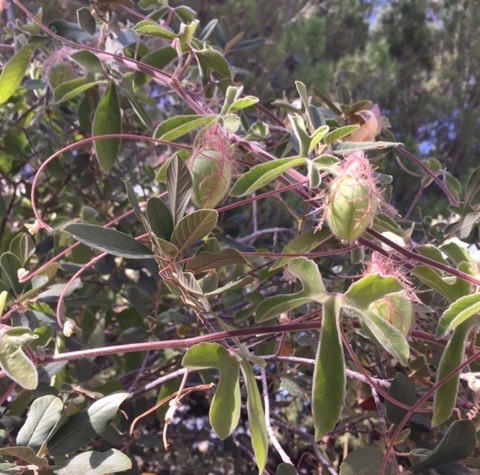
The photos are mine and taken at our home. And below is a link to an episode from several years ago about Passiflora mexicana. Oh dear, one the botanical names mentioned has changed! Hmm, I’ll let you figure it out, or tune in to next week’s episode!

When I was a kid growing up in Kentucky a lot of folks called sweet potatoes yams. Even in the grocery stores they were...
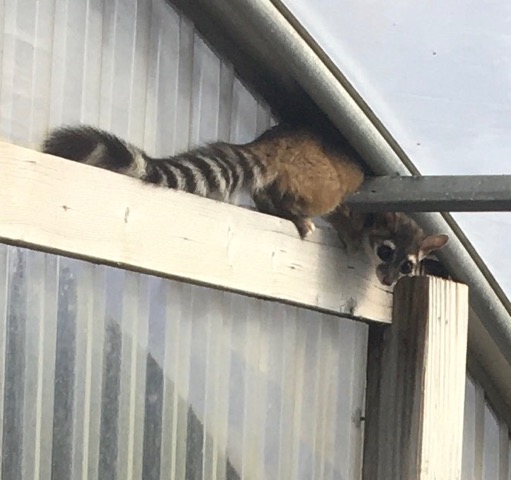
The common name of cacomistle (cacomixtle) for the ringtail is from the Nahuatl language. It translates to “half cat.” I can see that, especially...
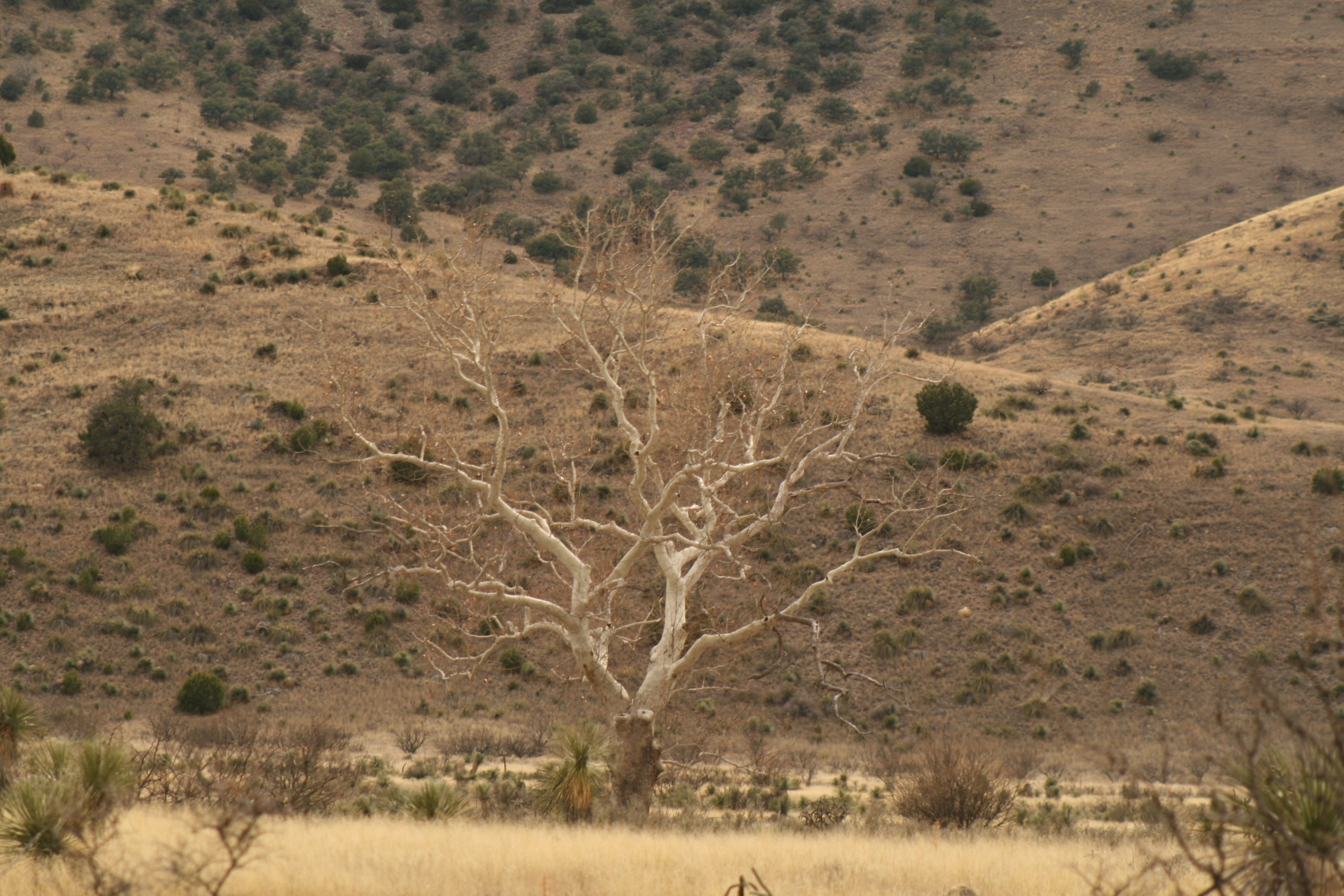
What is it about sycamore trees? When I mention a sycamore or show a photo of one to someone, invariably they declare their love...