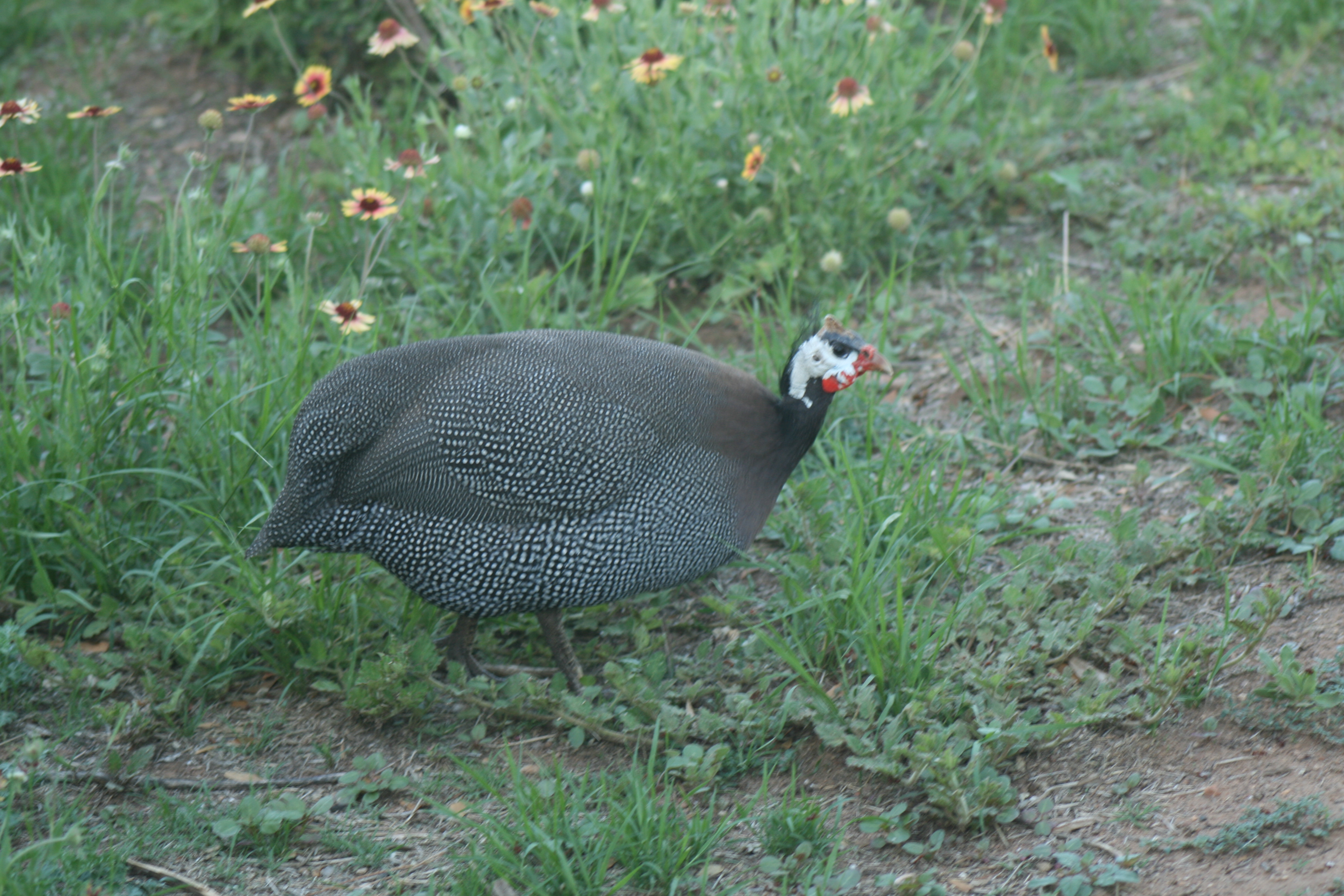
I don’t know any poultry fanciers that don’t have a guinea fowl story or two or three. Chickens are where it usually starts as they are the gateway drug. There are so many types of chickens that it is very easy to get excited and before you know it you have 30 chickens and everyone of them is a different breed. Then you may move on to turkeys or geese or ducks…I’m speaking from personal experience here…and then one day maybe you’re in a feed store and they have some young guineafowl called keets. And despite everything you’ve heard for years about guineafowl you purchase some. Oh dear.
There are 4 genera of guineas all found in sub-Saharan Africa. The guineafowl that we purchase in feed stores is Numida meleagris or the helmeted guinea fowl. Have you ever heard anyone call them helmeted guinea fowl? Me either. And if the scientific name looks familiar it is because turkeys are Meleagris gallopavo one of the most convoluted names ever, that translates to guineafowl peafowl, but I digress. Guinea fowl have minds of their own, if indeed they have minds at all. They roam, they lay eggs wherever and they are LOUD.
So now you know, but I doubt any of this will stop you from someday going into a feed store looking for some chicks, but leaving with a box of keets. Oh dear.

I loved sitting in that grassland and warming up with a rising sun. Is there anything better than sitting quietly and watching the natural...
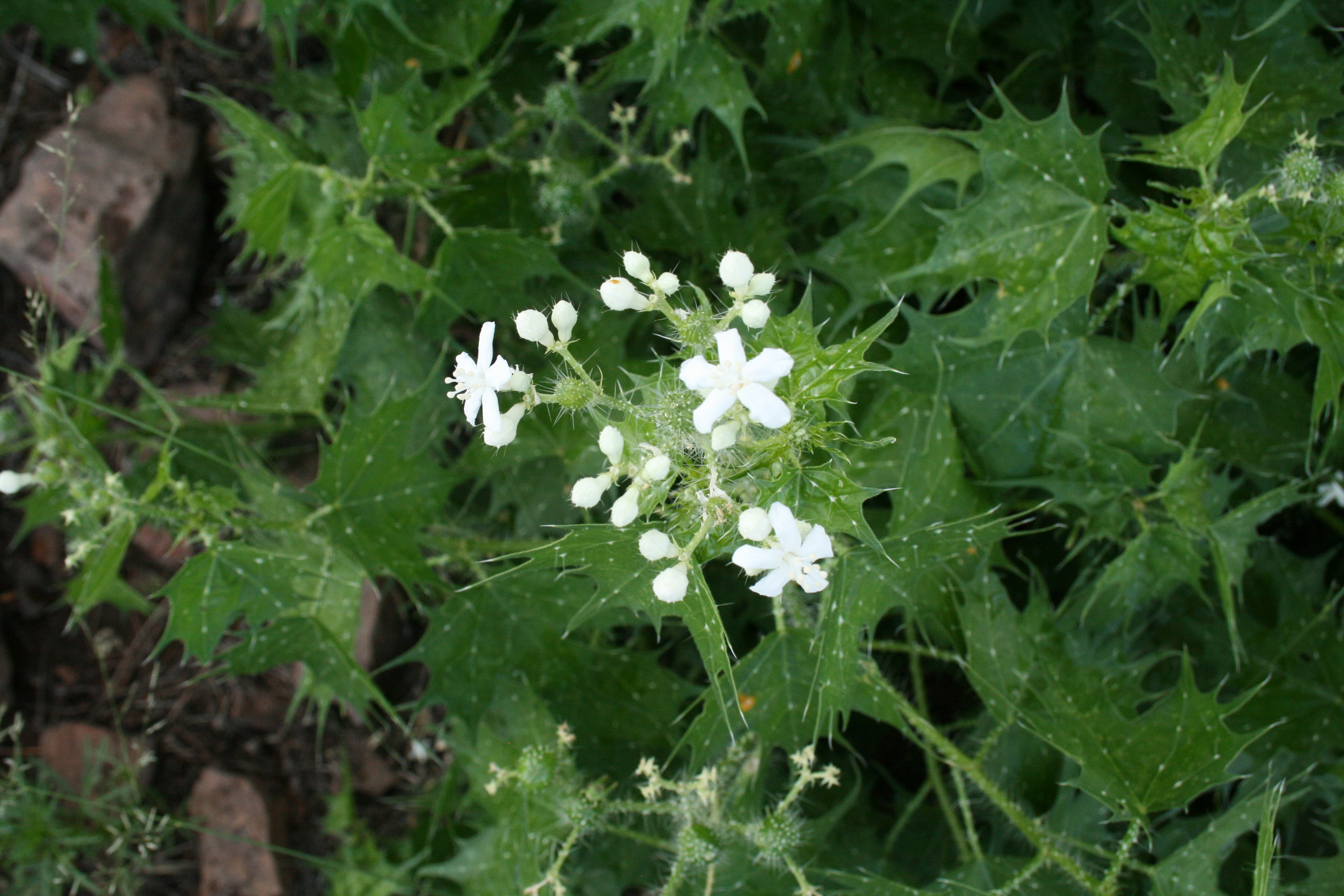
Mala Mujer or Cnidoscolus angustidens is an interesting plant in Euphorbiaceae, the spurge family. It’s found in southeastern Arizona and south into Sonora on...
The clearing of land, of biotic communities, feels like a southern Arizona affliction doesn’t it? ” We need a housing development, we need a...