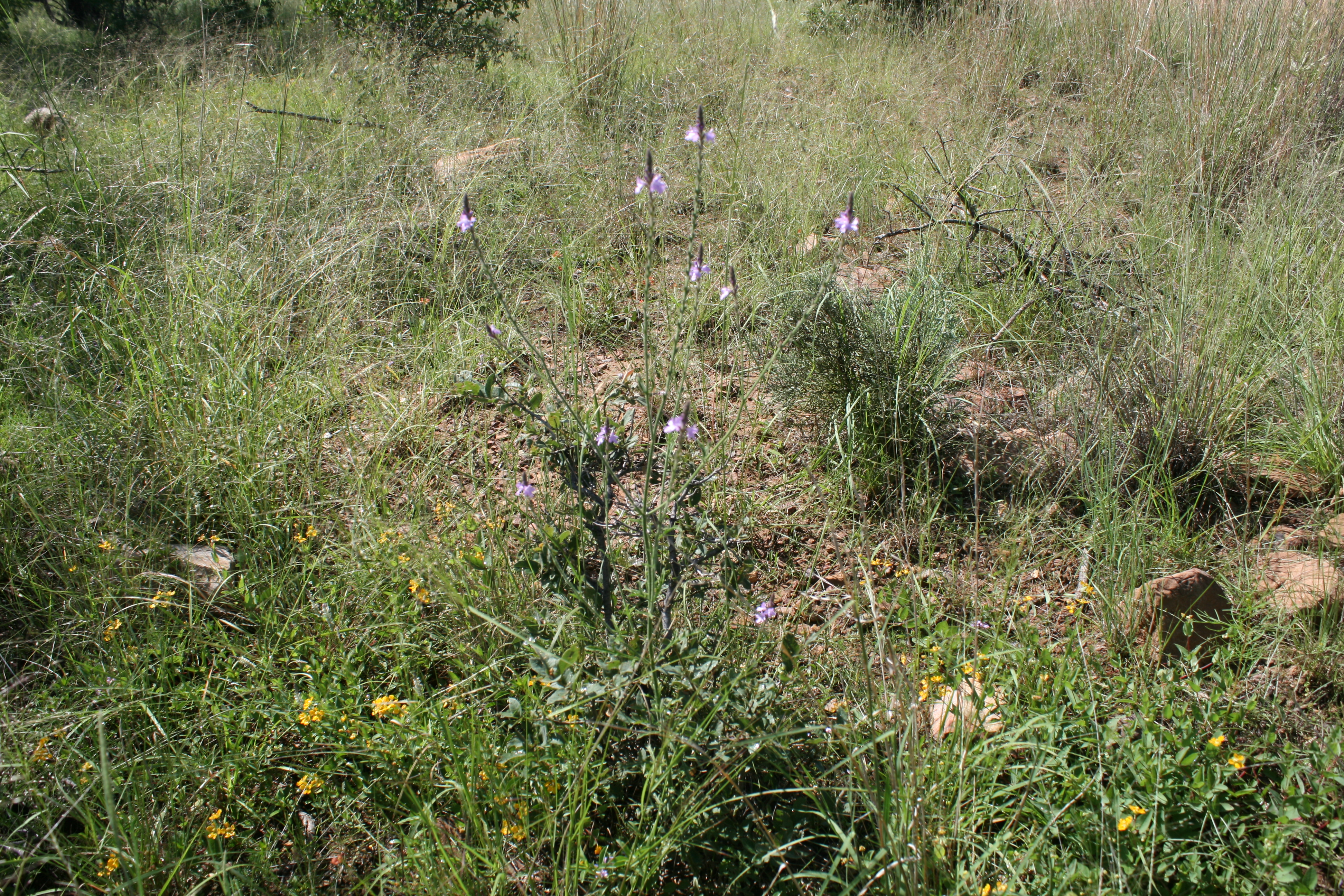
I’m telling you, late summer and fall are great times to get out into the hills, especially if you want to find interesting plants. While you’re out looking at flowering plants you are sure to see interesting critters from butterflies and hummingbirds to scrub jays, deer, squirrels, snakes, turtles, toads and more. That’s the short list. Anyway, I recommend a trip and no need to wait for a birthday as everyday of being out is always cause for celebration.
The vervain family or Verbenaceae, is a large family. When I first learned it (back in the early Anthropocene) 2,000, to 3,000 species were listed in the family. I now know that some of that has changed, as many genera were moved to the mint family Lamiaceae. Yikes!
If I stick to Arizona, there are 6 native genera (I’m not counting Lantana) and there are 16 native Verbena species and 6 species of native Glandularia (former verbenas). I’m not counting the South American G. pulchella. Phew!

Around you and me in the borderlands Verbena neomexicana is found from 2,000’ to 6,000’ out in the hills and canyons where we should be hiking right now.

The photos are mine from my birthday outing, but I guarantee I headed back to those hills very soon for more exploring and photos.
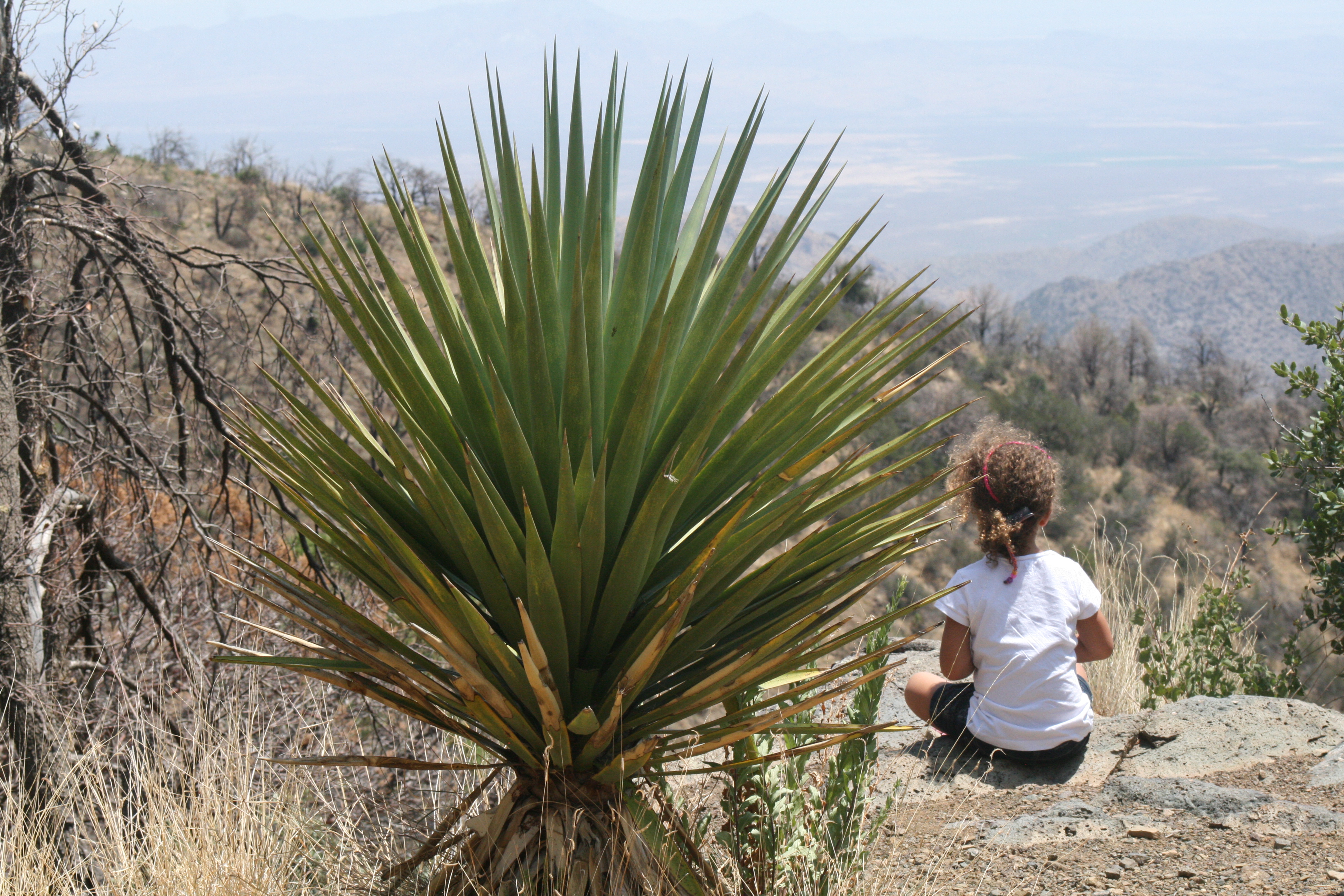
Petey seems to think that traipsing around in the wild borderlands of southeastern Arizona is good for children and adults too. He could be...
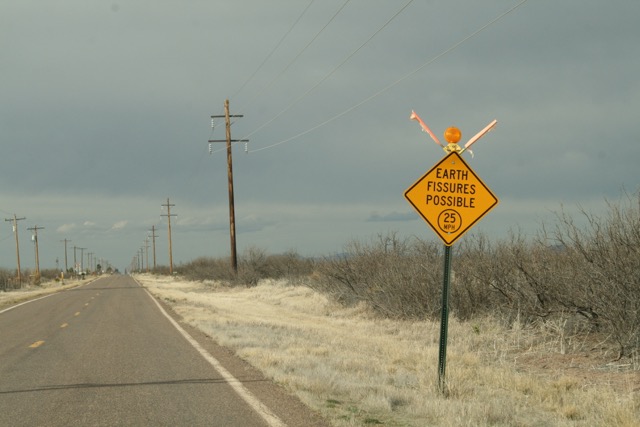
Petey describes a stretch of road and beautiful plant found along the way.
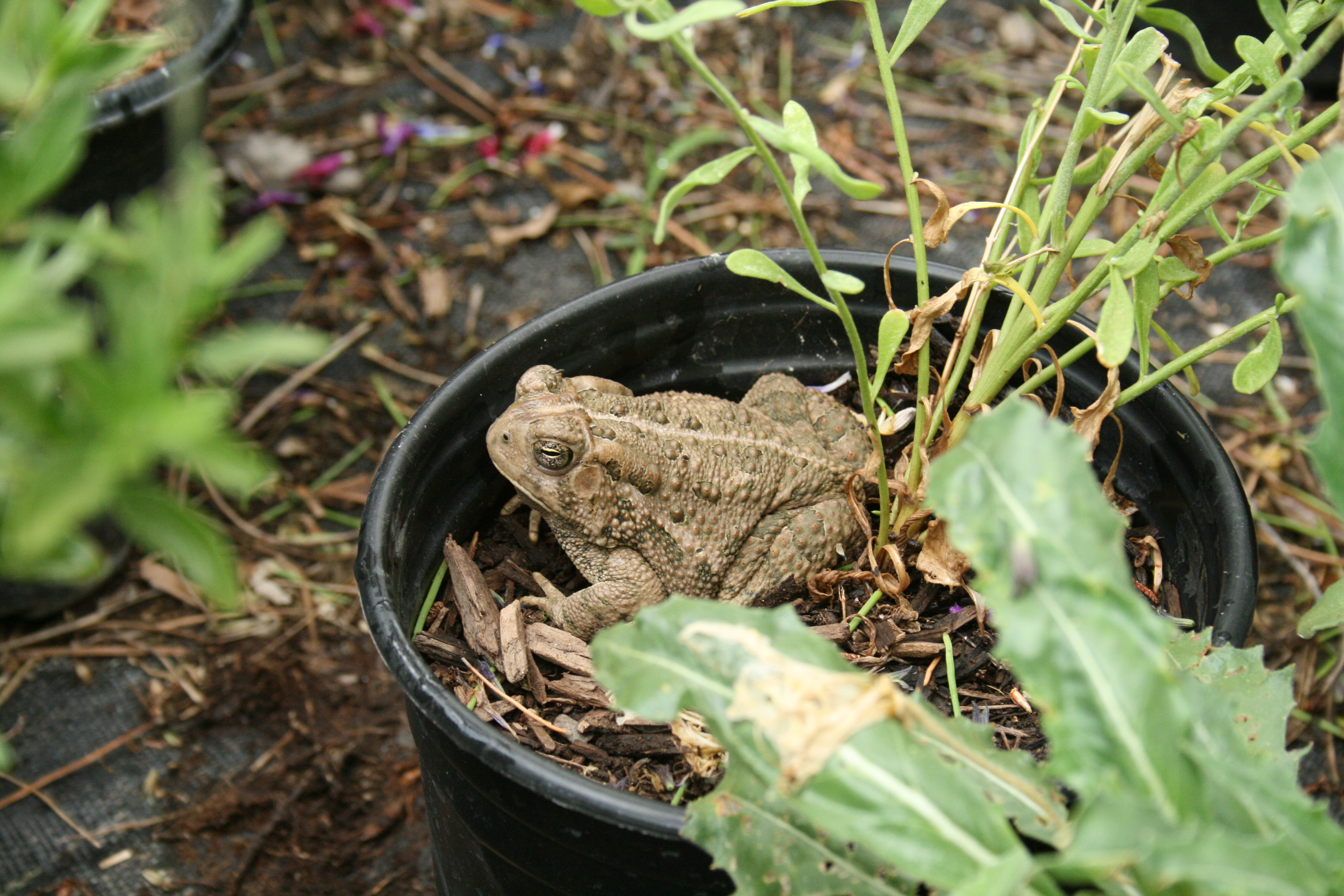
Petey just loves reptiles and amphibians! Let’s listen. The summer rainy season brings out all sorts of critters and life is good at our...