Western soapberry is Sapindus saponaria var. drummondii and is in the Sapindaceae. In that family there are around twelve species of Sapindus. I say “around twelve species” because that’s about as close as I could get checking several different references. This could be a good project for someone wanting a graduate degree: clarifying how many species of Sapindus there are in the world. One of the requirements for this research would be ability to enjoy travel, because you will be all over the globe identifying Sapindus species in their diverse habitats.
A few interesting tidbits about soapberry trees: our western soapberry tree is the host plant of the Soapberry Hairstreak butterfly. I found that one source for laundry and shampoo soap nuts is the tree Sapindus mukorossi of northern India. I guarantee you that there are countries much closer to home where different species are used in the same way. And by the way, it is the pulp of the fruit and not the seed that is sudsy, so the use of “nuts” in the name is misleading. I can’t help but wonder if our western soapberry could be a local source for “soap nuts”. I can see it now: LOCALLY SOURCED, SUSTAINABLE AND ALL NATURAL! (gluten free). Oh, I forgot to mention that in some countries the fruit is mashed and used as a fish poison…an easy way to harvest food, though one wonders if the fish has a soapy flavor.
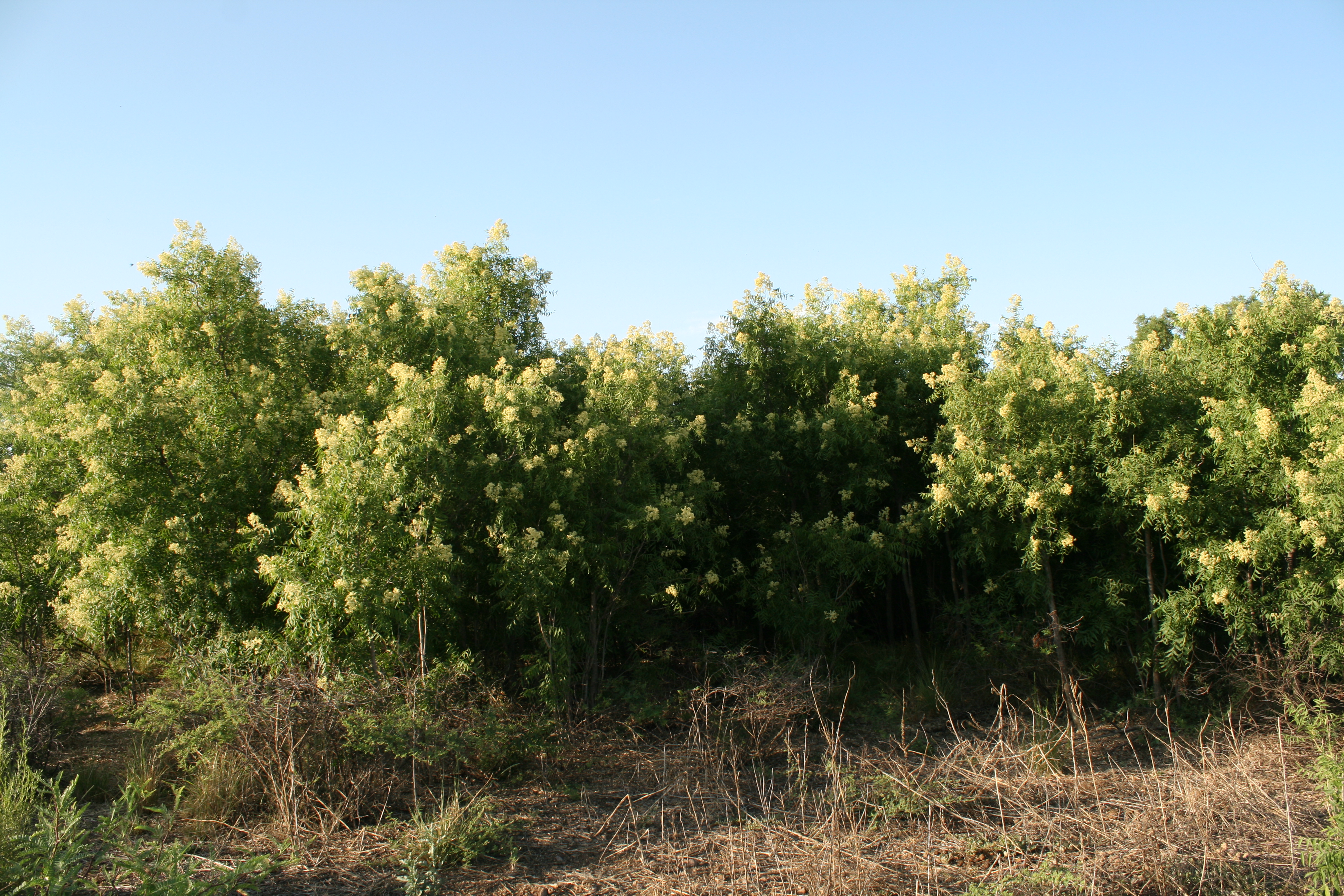
The photos are mine and are of the thicket of western soapberry trees found at our place near the banks of the Ol’ Guajolote. The flowers are quite showy aren’t they? In the fall the leaves turn a glorious gold and the translucent amber berries persist atop the naked branches through the winter. What a marvelous native tree.
This episode of Growing Native is a rambling reminiscence about amphibians and reptiles. With the monsoon starting up here in…
I’m pretty sure I first encountered the plant called mala mujer in the Santa Rita Mountains south of Tucson around 30 years ago. I...
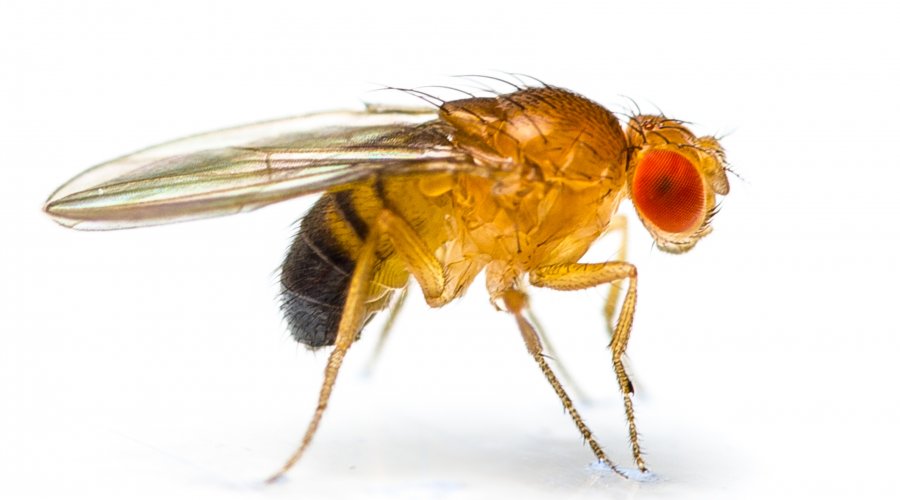
The name Drosophila melanogaster is fun to say in dramatic style… and I do. At our place we don’t remember this many fruit flies...