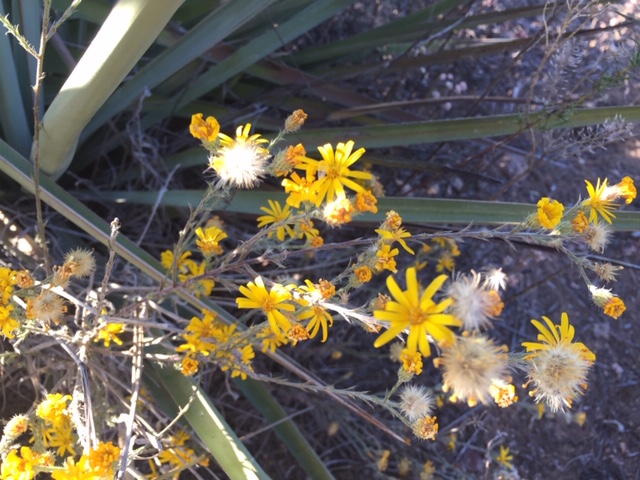
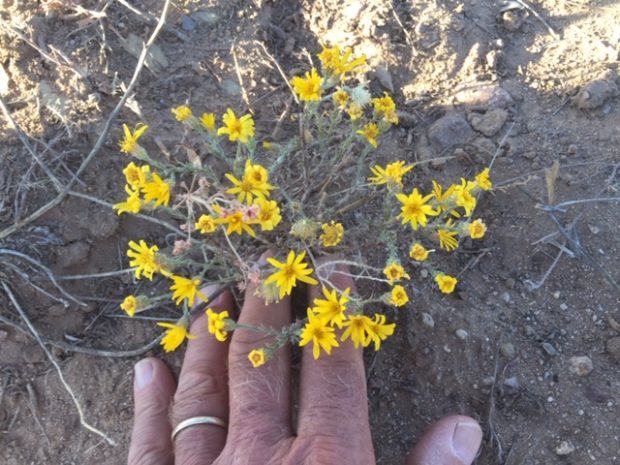
Xanthisma gracilis is an annual and found all over the southwest and into Mexico as well. Duh. A common name is slender goldenweed or spiny zinnia. I do love the botanical Xanthisma. It sounds like a medication, doesn’t it, and if you did a little homework you’d find out that it does have some medicinal uses.
I was driving to Bisbee recently and saw stands of flowering tarbush and that is what somehow inspired this show about the different biotic communities that surround us here in the borderlands. Tarbush, Flourensia cernua, and creosote, Larrea tridentata, are the predominate plants in that wonderful piece of Chihuahuan desert scrub just outside of town. That’s two species that also might be fun to do a little homework on and find their medicinal uses as well, so now you have an assignment. Oh, and if you get out of your truck and wander through that desert scrub it only gets better botanically. I do recommend that.
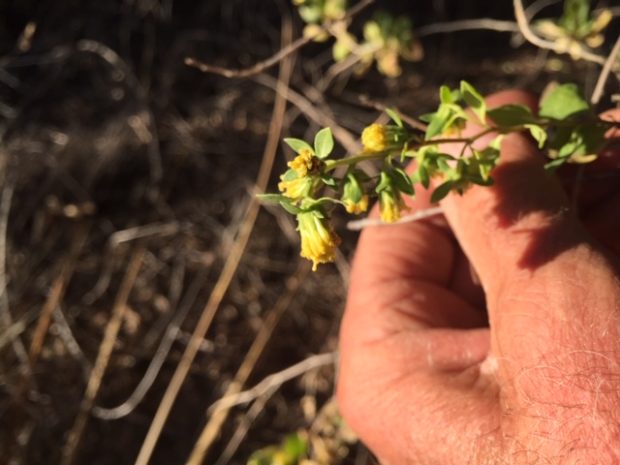
The photos are mine. You can see the classic zinnia flower head of the Xanthisma and also the nodding flower heads of the Flourensia that the specific epithet cernua is referring to. The phrase nodding heads always reminds me of Art History 101 at the U of A and my nodding head.
I can’t seem to get a handle on how many species of Heuchera are found North America, and there’s gotta be some in Northern...
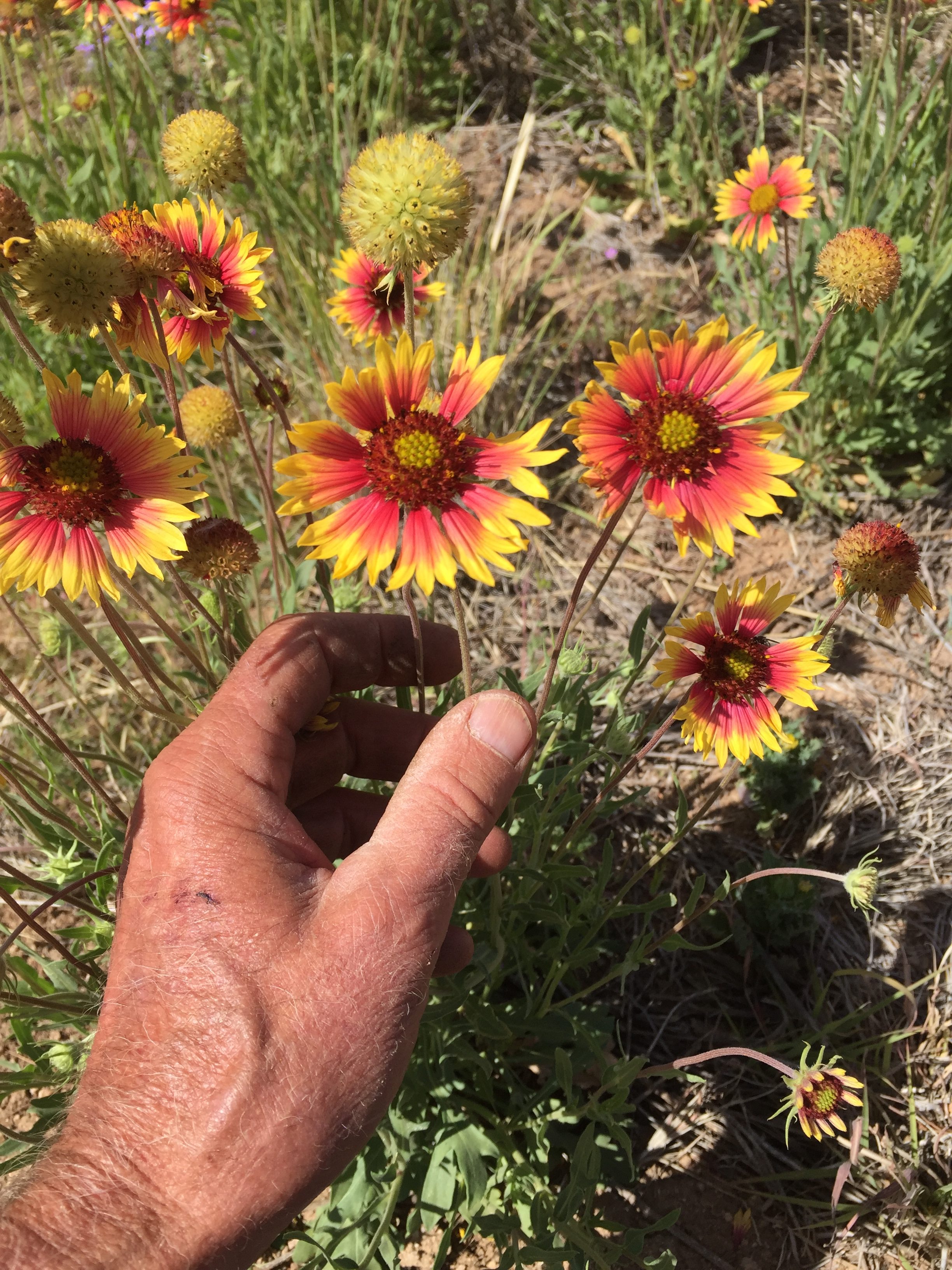
I suppose the thinking is that any wildflowers blooming along the side of the road will beautify that road and who cares what’s in...
The riparian woodland where we were hiking is around 6,000 ft. in elevation and I think that may be the upper limits of the...