We are so lucky to live in southern Arizona where you can experience so many different wild habitats by driving from the desert and up into the mountains. I got excited about this in college when a professor at the University of Arizona reminded us students that if we drove from the desert and up to Mt. Lemmon we would go through more vegetative changes than if we drove from Kentucky to Maine. The point being that the eastern US has a whole lot of the same stuff for great distances. I believe this was part of a lecture that lead up to us learning about C. Hart Merriam’s Life Zones concept. And those life zones I later learned can be divvied up into biomes, making it even more interesting.
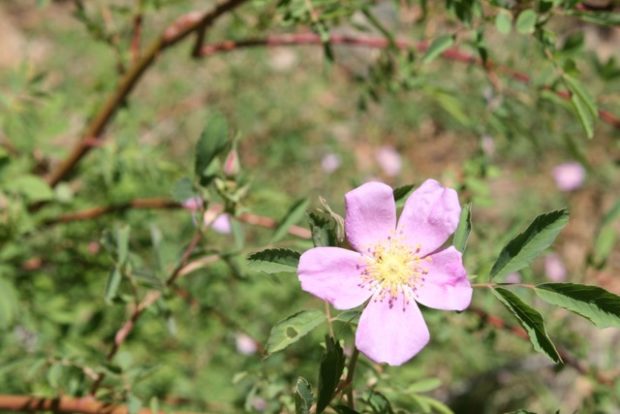
Well of course, you don’t need to know any of this to get excited observing the vegetative changes as you ascend a sky island and maybe you’re like Ms. Mesquitey and me stopping constantly to look at interesting plants and animals…I suspect as much.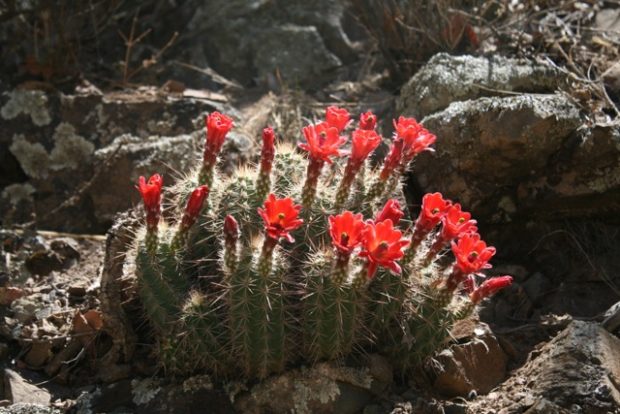
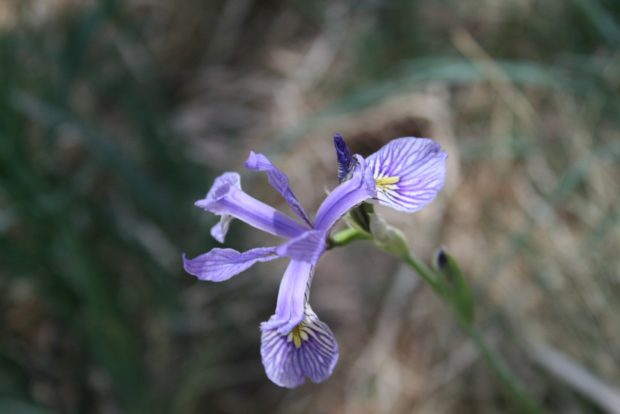
The photos are mine of some of the flowering plants we saw on our excursion to 8,000’ in the Chiricahua Mountains. When we get some monsoon this summer…I’m being positive here… we will all need to hit the mountains in August and September for some amazing wildflowers.
Lemme see what else? Oh, the Salvia I referred to is S. lemmonii, not microphylla. That’s part of an old name that keeps haunting me. Apologies.
And if you’d like to hear more about wild irises, below is a link to an episode from several years ago about our dog Farley and wild irises too. Really.
https://kxci.org/podcast/irises-good-dog/
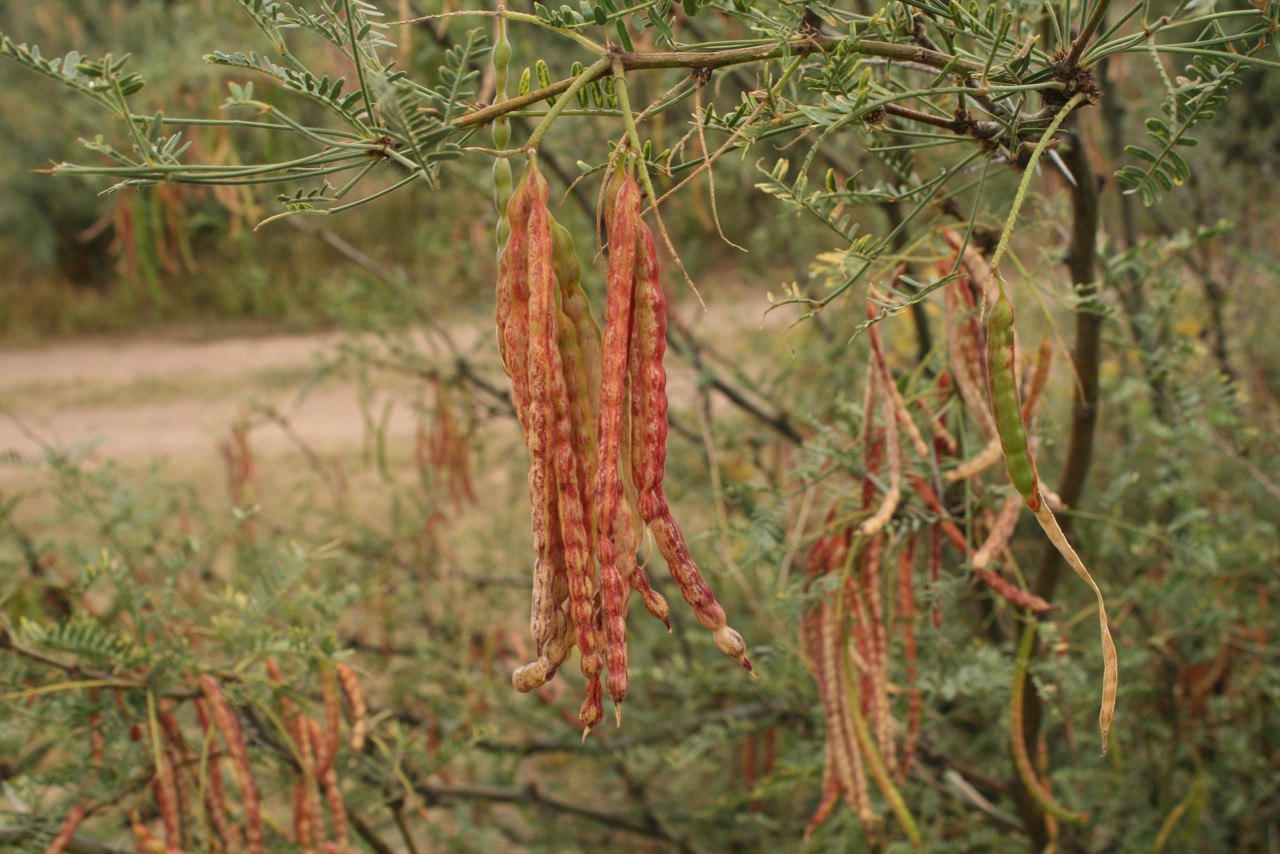
Velvet mesquite is the predominate native mesquite of southern Arizona. If you go west toward California, you will start running into western honey mesquite...
Though I didn’t talk about it in this episode, some of the great things about gathering acorns out in habitat are the encounters with...
It’s hard to believe I didn’t mention the beautiful color of the trunks and branches of manzanita. I must have just assumed everyone knew...